
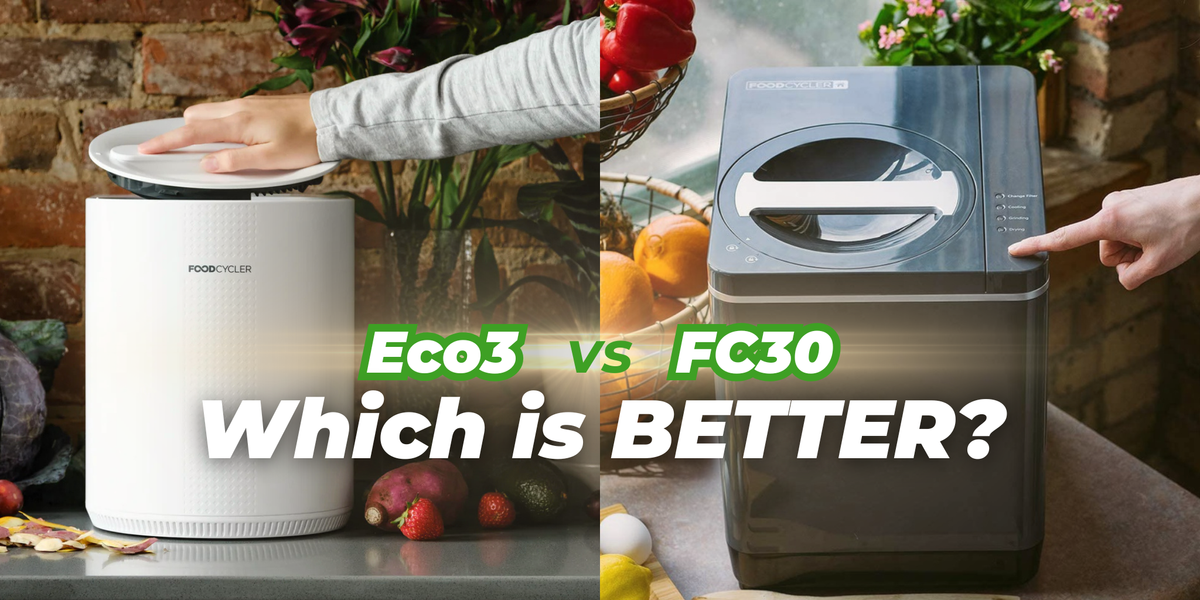
If you’re considering a FoodCycler for your kitchen — or you’ve heard about the new FoodCycler Eco 3, and are wondering how it compares to the earlier FC30 — this article will answer your questions.
At first glance, the price difference between the two models is small. But when you look closer, Eco 3 brings significant practical, everyday improvements that make a real difference in how you use the machine.
Let’s break it down from a user’s point of view.
1. Bigger Capacity, Fewer Cycles (Biggest Upgrade)
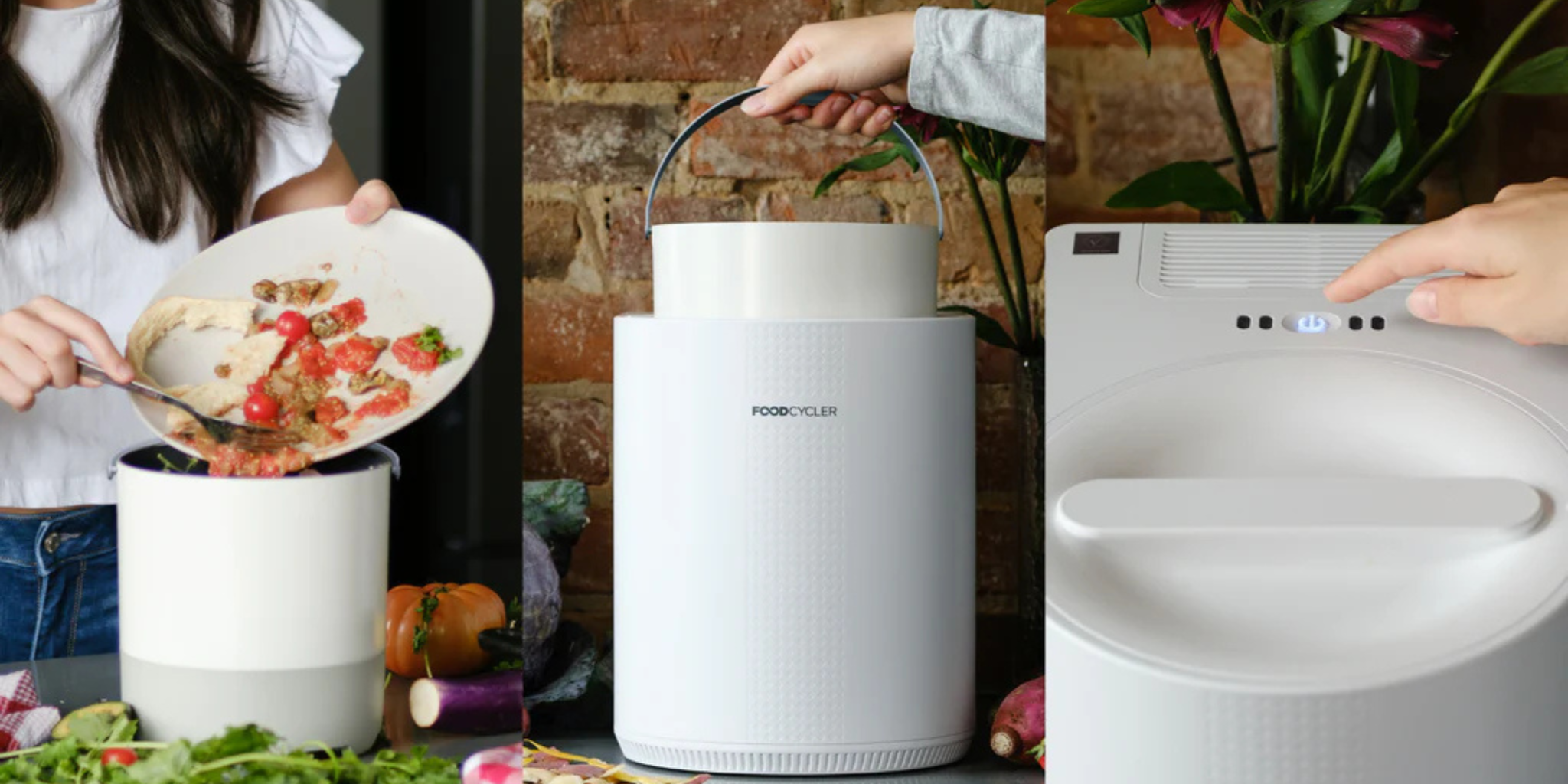
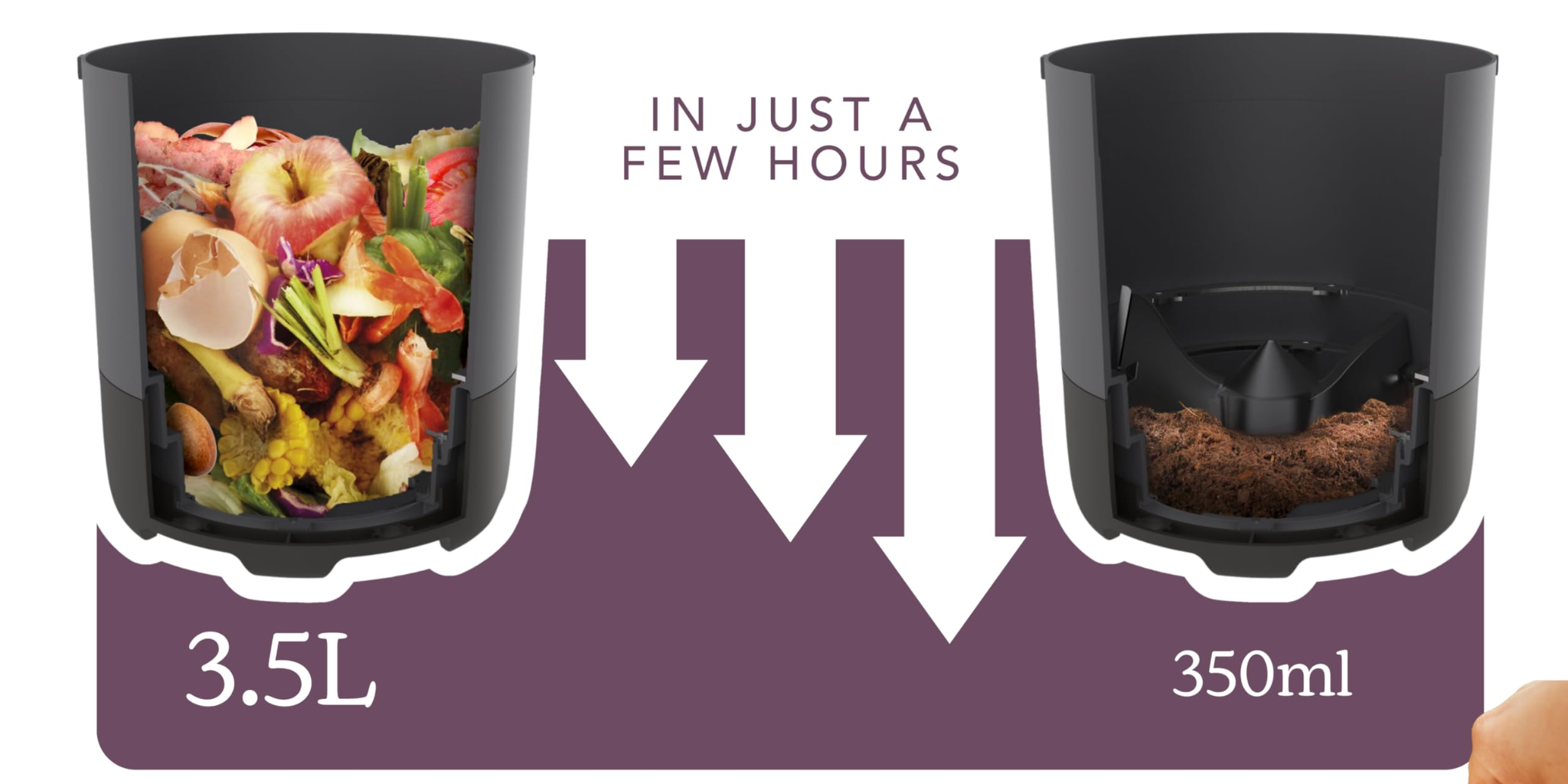
One of the most noticeable upgrades in the Eco 3 is its larger processing capacity.
FC30 capacity: 2.5 litres
Eco 3 capacity: 3.5 litres
That’s a 40% increase in capacity!
You can load more food scraps in one go, fewer cycles per week for the same household. Especially useful for families, frequent cooks, or people who meal-prep.
In daily use, this simply means less waiting and less managing of food waste.
2. Larger Capacity, but a More Compact Machine
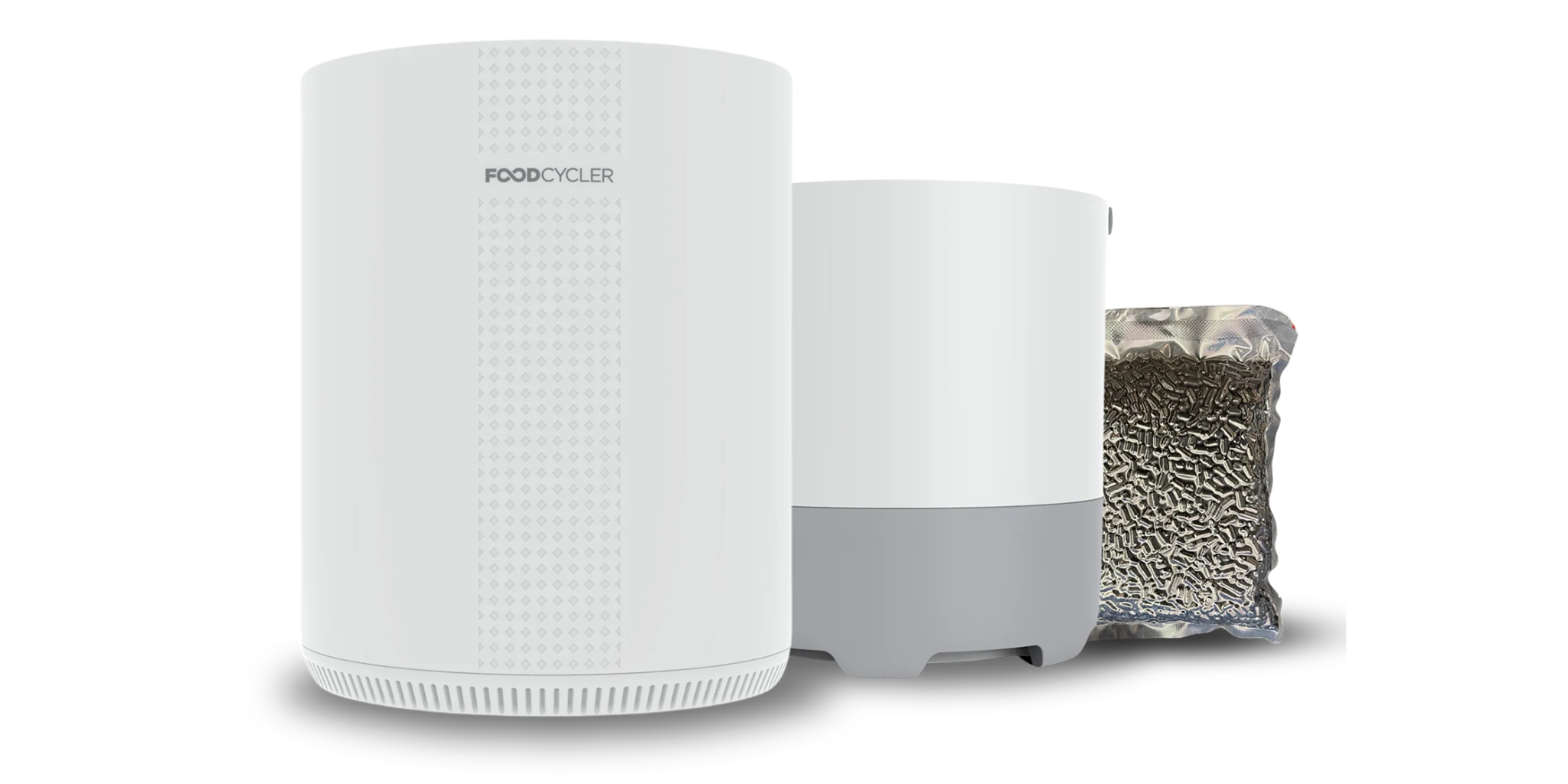
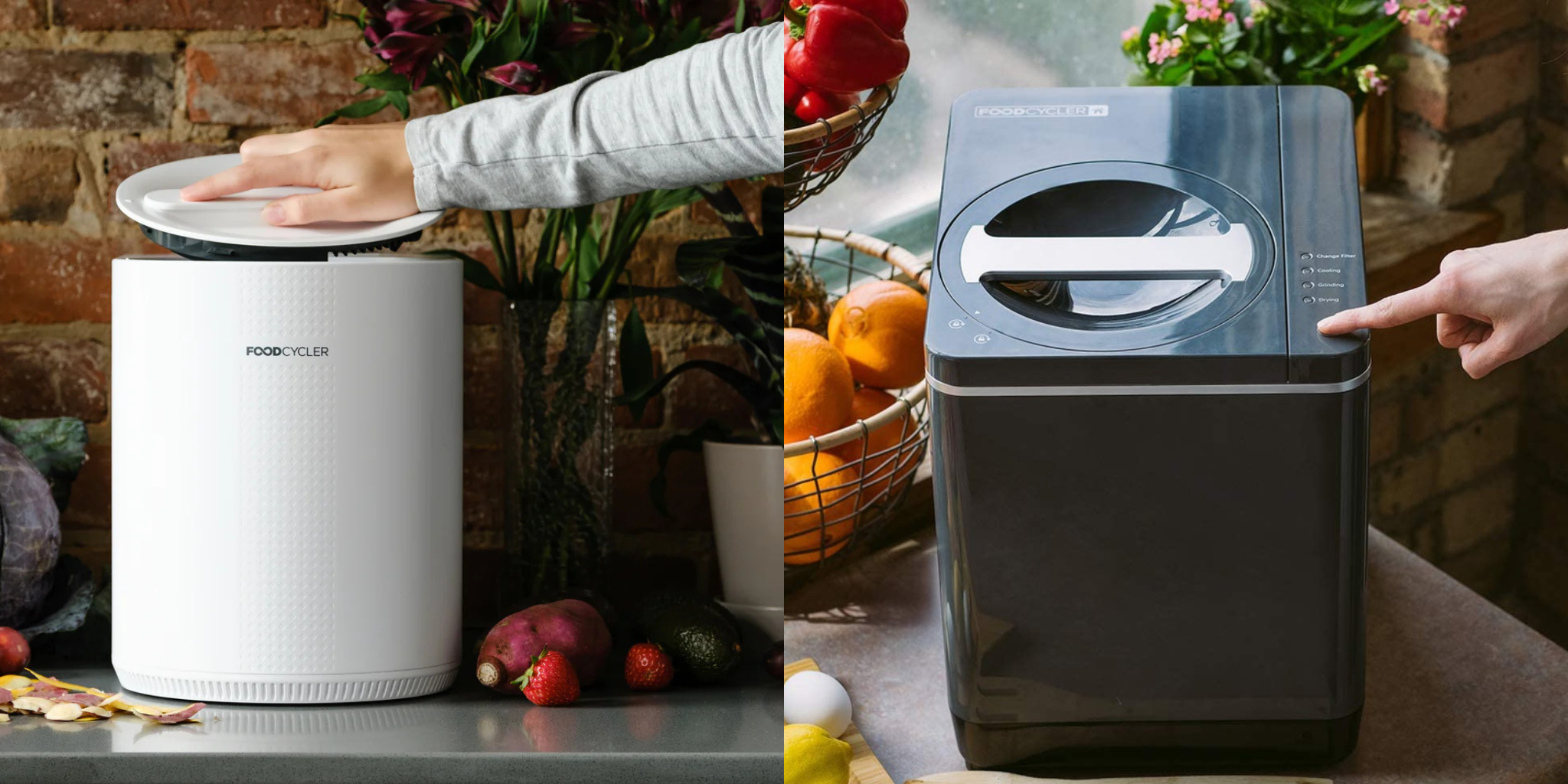
Interestingly, while Eco 3 handles more food waste, its external design is more compact and refined.
Compared to the FC30:
Eco 3 takes up less visual and physical space on the countertop
The shape and proportions are more kitchen-friendly
Easier to place in smaller kitchens, condos, or apartments
Many customers assume a bigger capacity means a bulkier machine — Eco 3 proves that’s not the case. You get more inside, without sacrificing kitchen space.
3. Improved Grinding Technology for Better Results
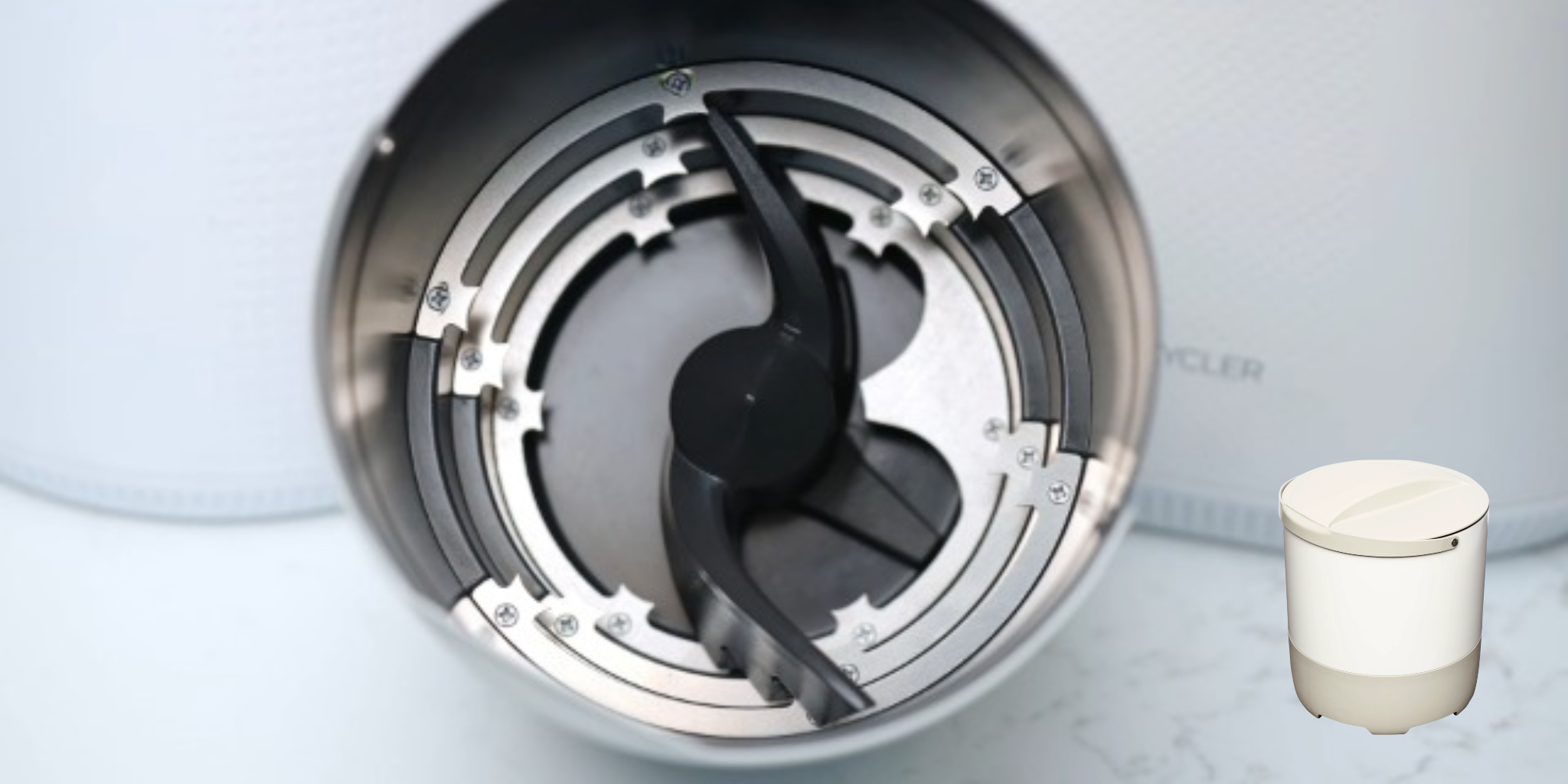
Eco 3 comes with an updated Vortech™ grinding system, designed to improve how food waste is broken down during the cycle.
Compared to FC30:
More consistent grinding
Better handling of mixed food scraps
Finer, more even output texture
From a user’s perspective, you don’t need to “think too much” about what you put in. The Eco 3 feels more forgiving and efficient when dealing with daily kitchen waste.
4. Smarter Filter System, Lower Long-Term Hassle
Another practical improvement is the filter system.
FC30: Uses replaceable carbon filter cartridges
Eco 3: Uses a refillable carbon filter
It Potentially lower running costs over time, and less waste from discarded filter cartridges, which resulted in a more convenient for long-term ownership.
For customers planning to use FoodCycler for years, this is a meaningful quality-of-life upgrade.

5. Similar Energy Use, Similar Cycle Experience
Despite its larger capacity:
Energy consumption remains very similar
Typical cycle time is still overnight or during the day (depending on load)
In other words, you’re getting more capacity without a big increase in electricity usage or effort.
6. Price Difference: Small Increase, Big Value Gain
In Malaysia:
FC30 original price: RM1,880
Eco 3 preorder price: RM1,980
That’s only about a 5% price increase, however, when you look at litre of capacity, Eco 3 is about 40% increse!
From a buyer’s point of view, you’re paying slightly more upfront, but getting significantly more usefulness per cycle.
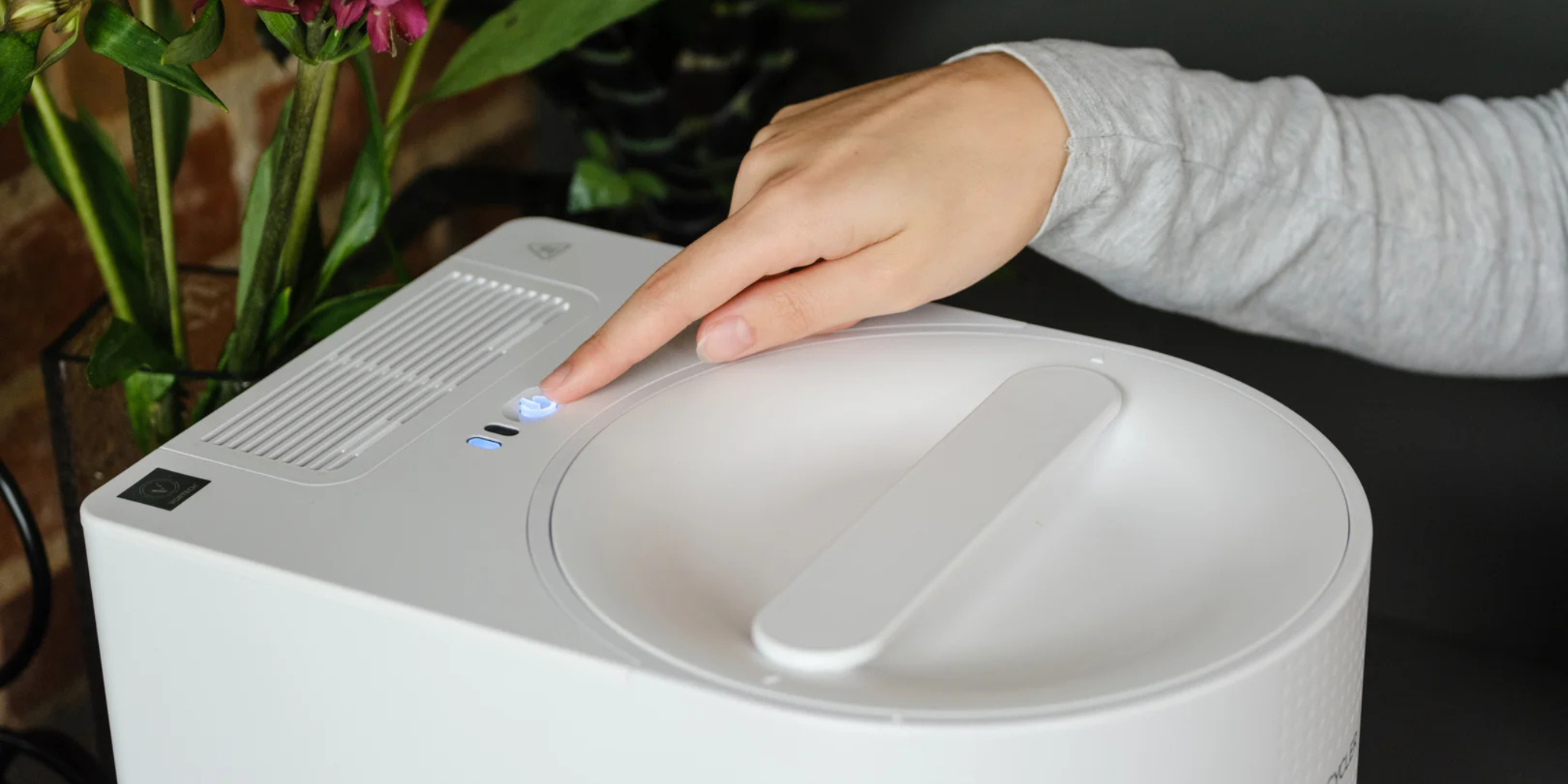
Final Thoughts: How Eco 3 win over FC-30?
When choosing between the FoodCycler FC30 and the new Eco 3, the decision is not just about a newer model — it’s about how much value you get in daily use.
With Eco 3, the upgrades are practical and noticeable:
A 40% larger capacity, meaning fewer cycles and less effort
A more compact, kitchen-friendly design, despite handling more food waste
Improved grinding performance for more consistent results
A refillable filter system that reduces long-term hassle and cost
All of this comes with only a small price difference compared to the FC30, making Eco 3 a more future-proof choice for most households.
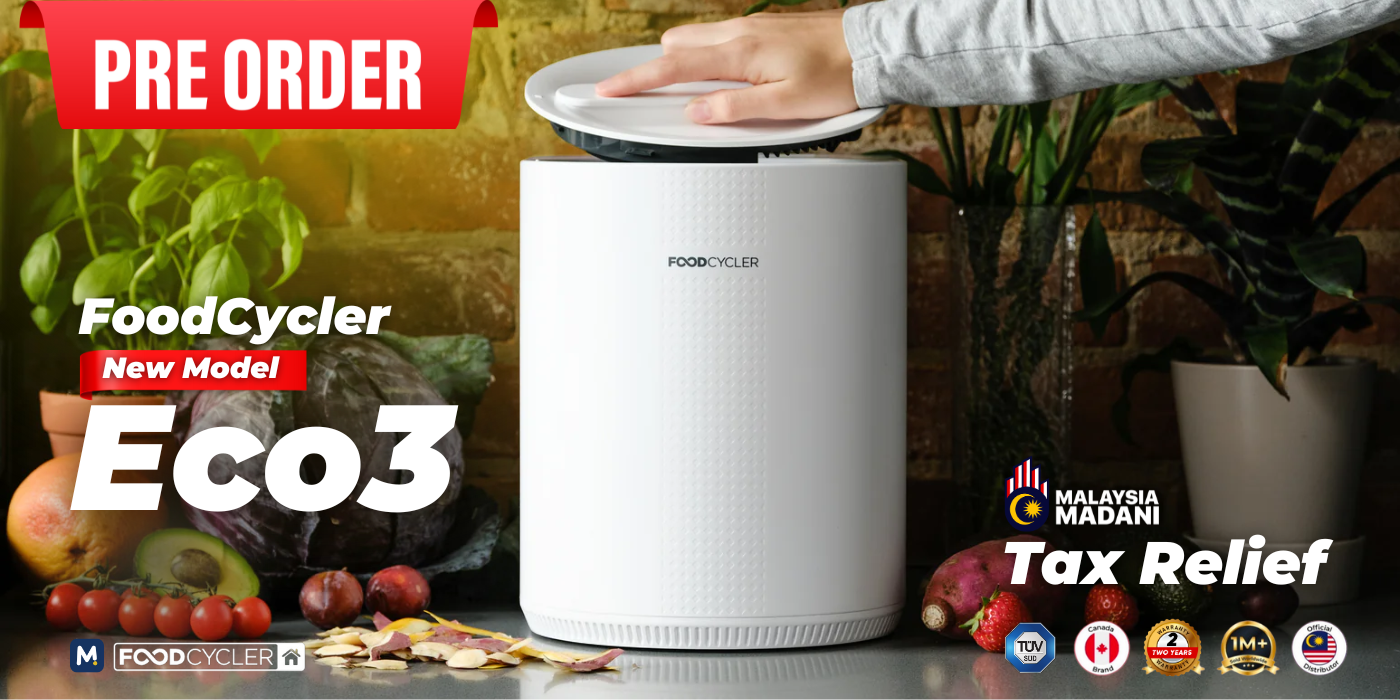
TAX RELIEF: Limited Advantage for Malaysian (2025–2027)
For Malaysian customers, there is an additional reason why now is a particularly good time to choose Eco 3.
Under the Malaysian Government’s tax incentive programme, purchases of eligible household and environmentally friendly appliances — including food waste management solutions — qualify for personal income tax relief from 2025 to 2027.
So why not get it now? Before this benefits over!
Related products
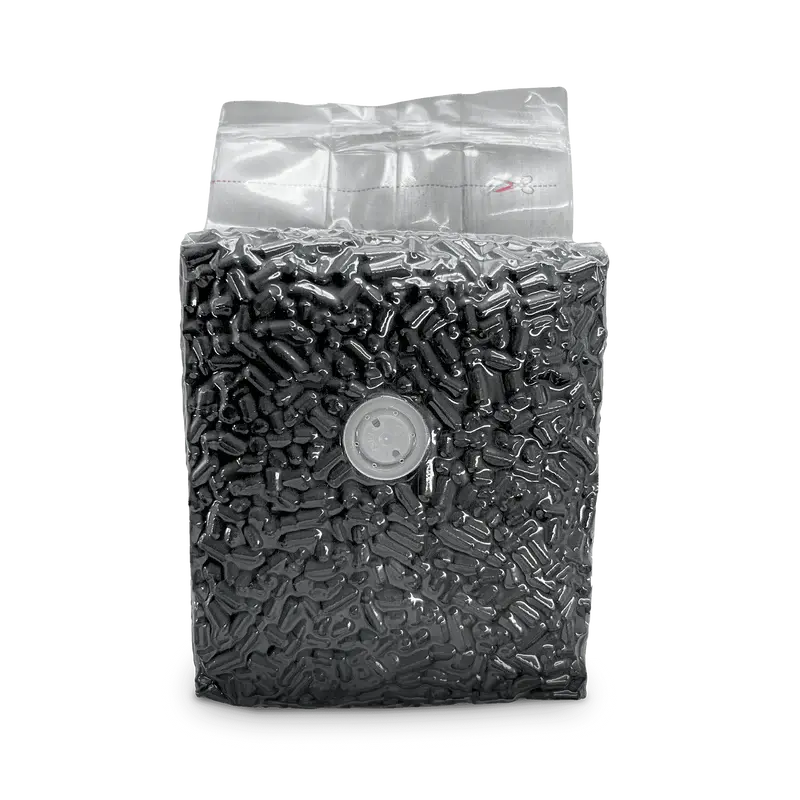
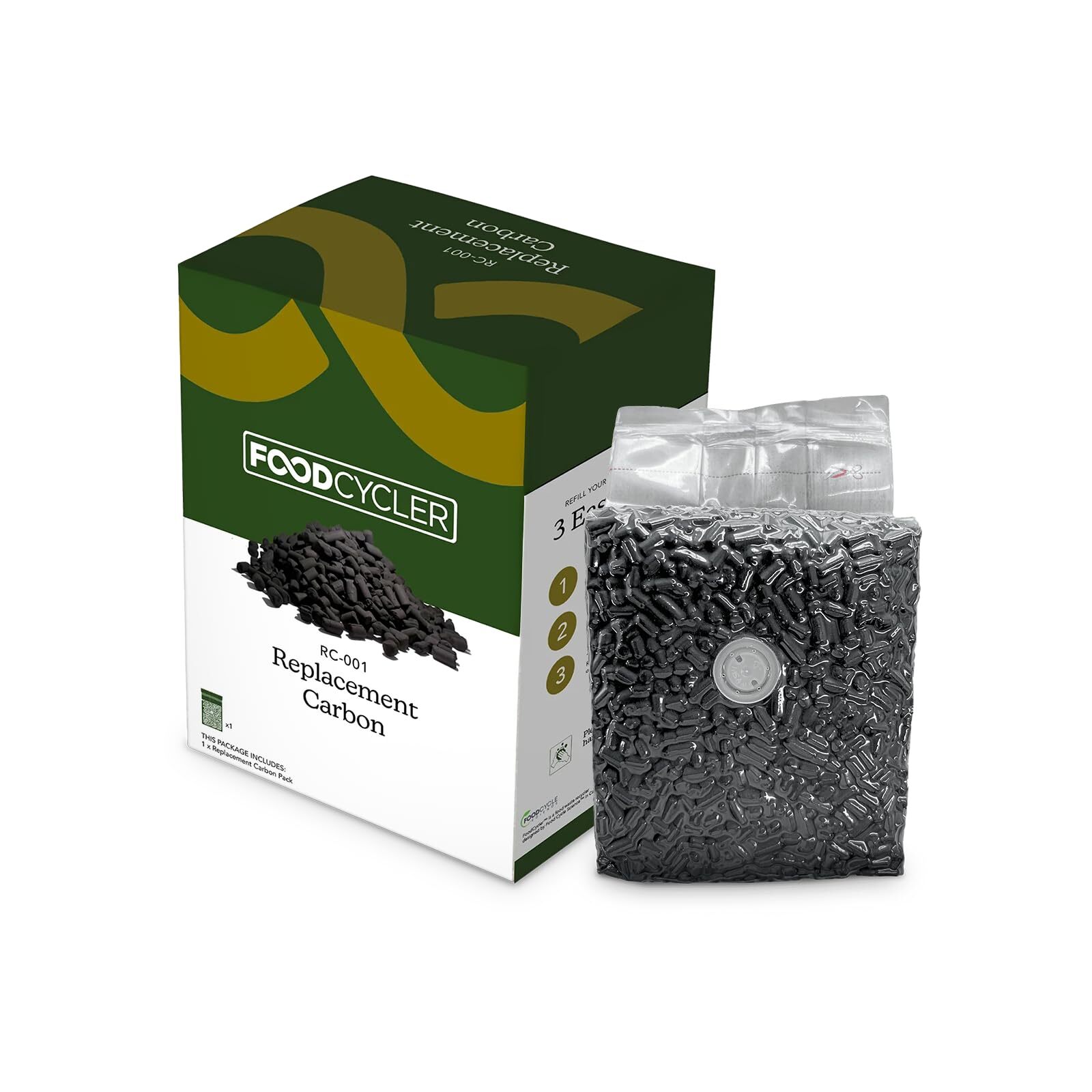
FoodCycler RC-001 Carbon Filter - Food Waste Machine Odor Removal for Eco3 & FC-30